Water Quality Sampling


Why Sample?

Sampling helps us to understand the variability and health of the tidal waters that border our communities.  These waters are vital for fishing, clamming, swimming, boating, and the rich variety of local fish and wildlife.  This allows us to see the variation across the estuary, track changes that occur, and identify any areas of concern.  It is also a great excuse to visit some beautiful sites along the coast!

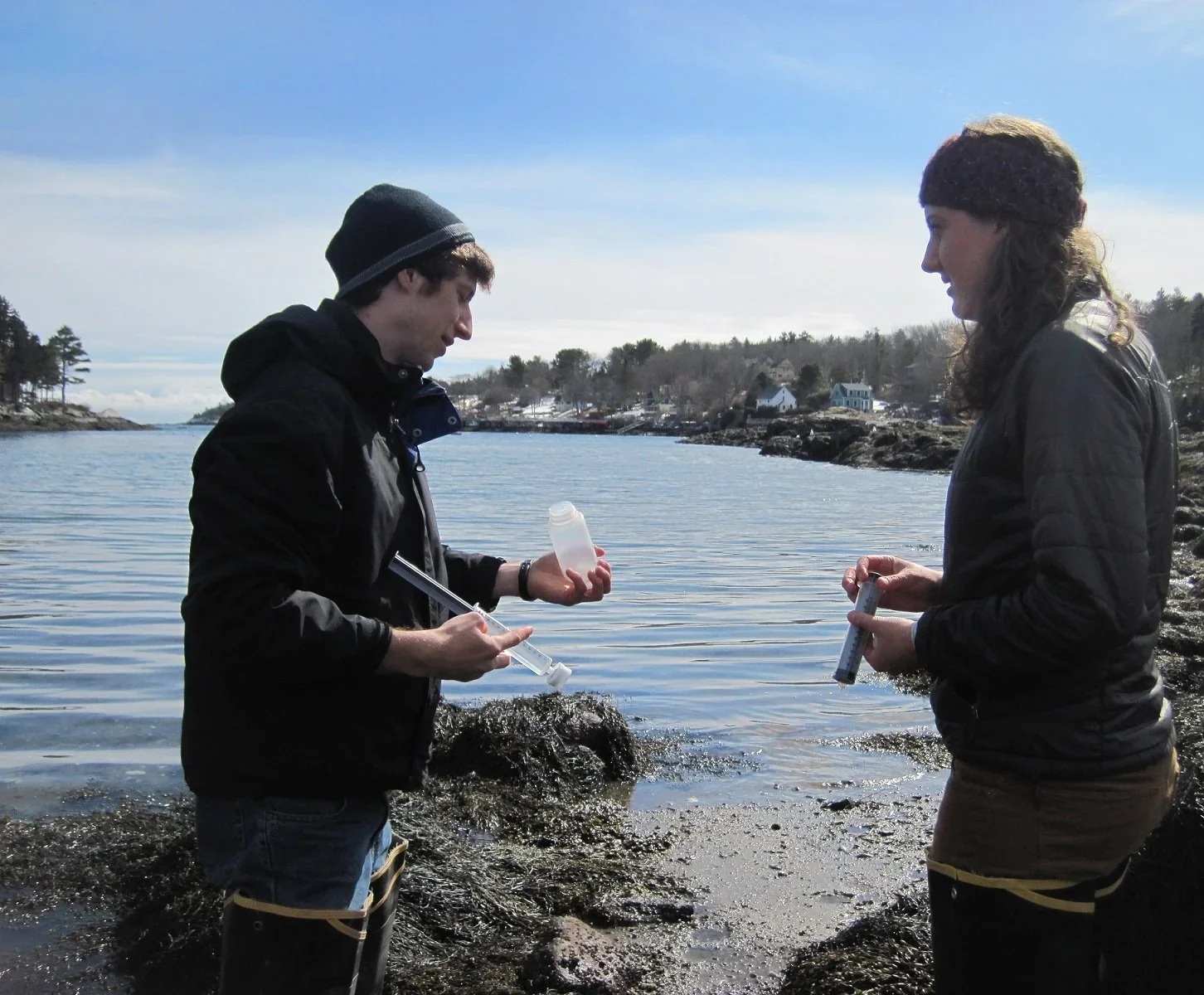
KELT's volunteer water sampling program tests for characteristics like salinity, dissolved oxygen, pH, temperature, water clarity, and phytoplankton. 


Become a Water Sampler

A team of KELT volunteers sample water at 19 coastal sites in Georgetown and Phippsburg every other week between May and October. 

Contact Ruth Indrick (rindrick@kennebecestuary.org or 207-442-8400) to become a volunteer water sampler or find out more about the sampling program.


Bird Monitoring


Why Monitor Birds?

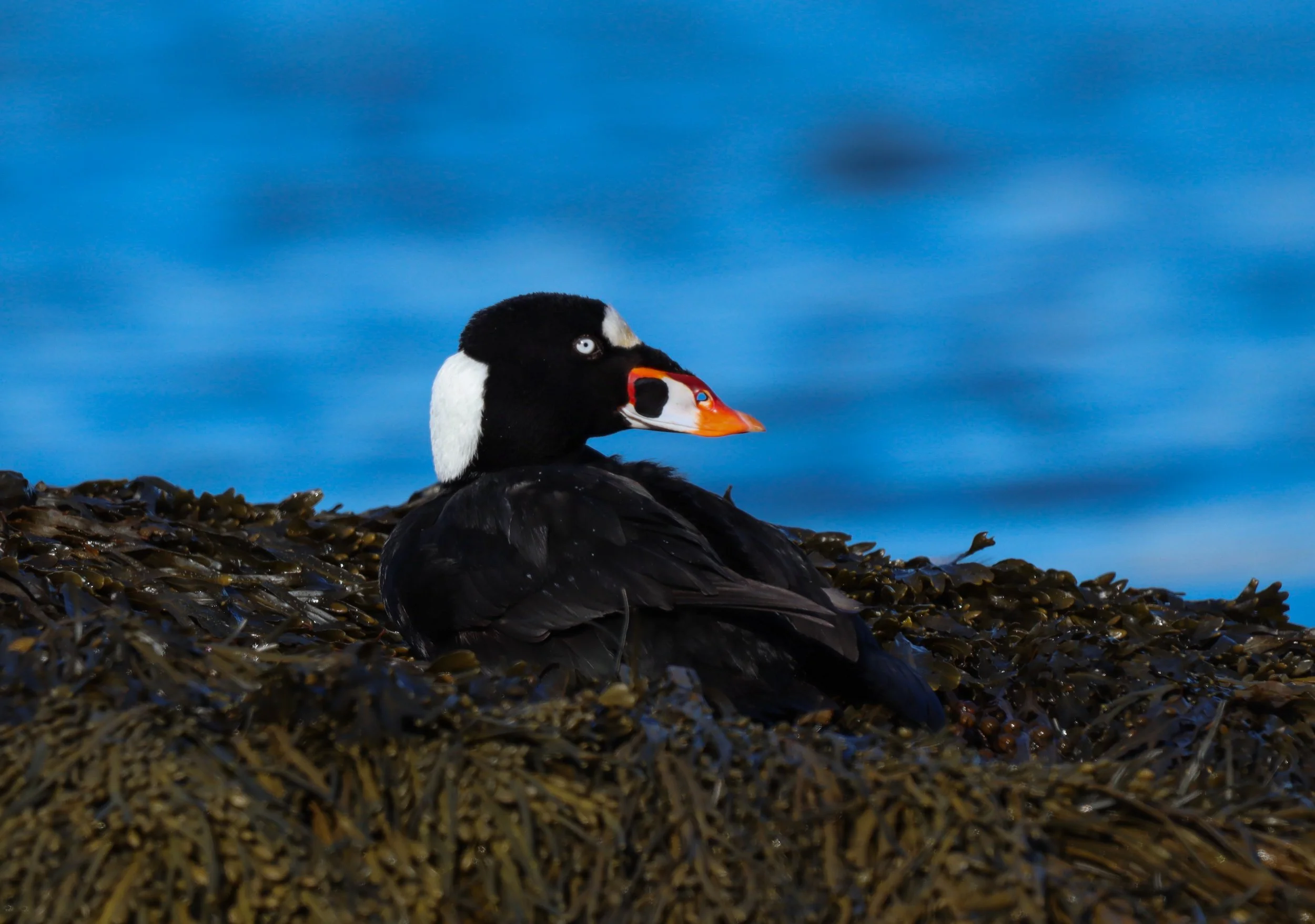
Birds are crucial in our estuary ecosystem, dispersing seeds, pollinating plants, and recycling nutrients back into the ecosystem. Birds also provide an incredible connection for humans to the natural world and we want to ensure that we are protecting their needs on our lands. By monitoring birds year-round on KELT preserves, we can make management decisions, like trail routing and usage, that consider birds and other wildlife.


How You Can Help?

  • "Adopt" a KELT preserve to monitor

  • Help assess birds for land protection projects

  • Record all of your birding observations in eBird

  • Take photos of birds for KELT to use

  • Attend a KELT bird walk

  • Spread the word!


Short-Term Goals

  • Begin or build upon species lists for all of KELT's public preserves

  • Match volunteers with all of KELT's public preserves

  • Implement eBird as the primary tool for recording KELT bird monitoring data

Long-Term Goals

  • Incorporate birds into KELT management palns

  • Build species lists for new land protection projects prior to KELT acquisition or protection

  • Work with landowners of properties protected by conservation easements (including agricultural easements) to monitor bird activity and adopt management practices that benefit bird species present on the properties.


Grassland Bird Conservation

Bobolinks and other grassland birds are particularly fragile species due to their exposure to extreme threats, including farm machinery, habitat loss, and climate change. In partnership with local farmers, dedicated volunteers, and statewide efforts, KELT is working to ensure these remarkable birds are protected through land conservation and sustainable haying practices.

Nequasset Alewife Count

Why Count Fish?

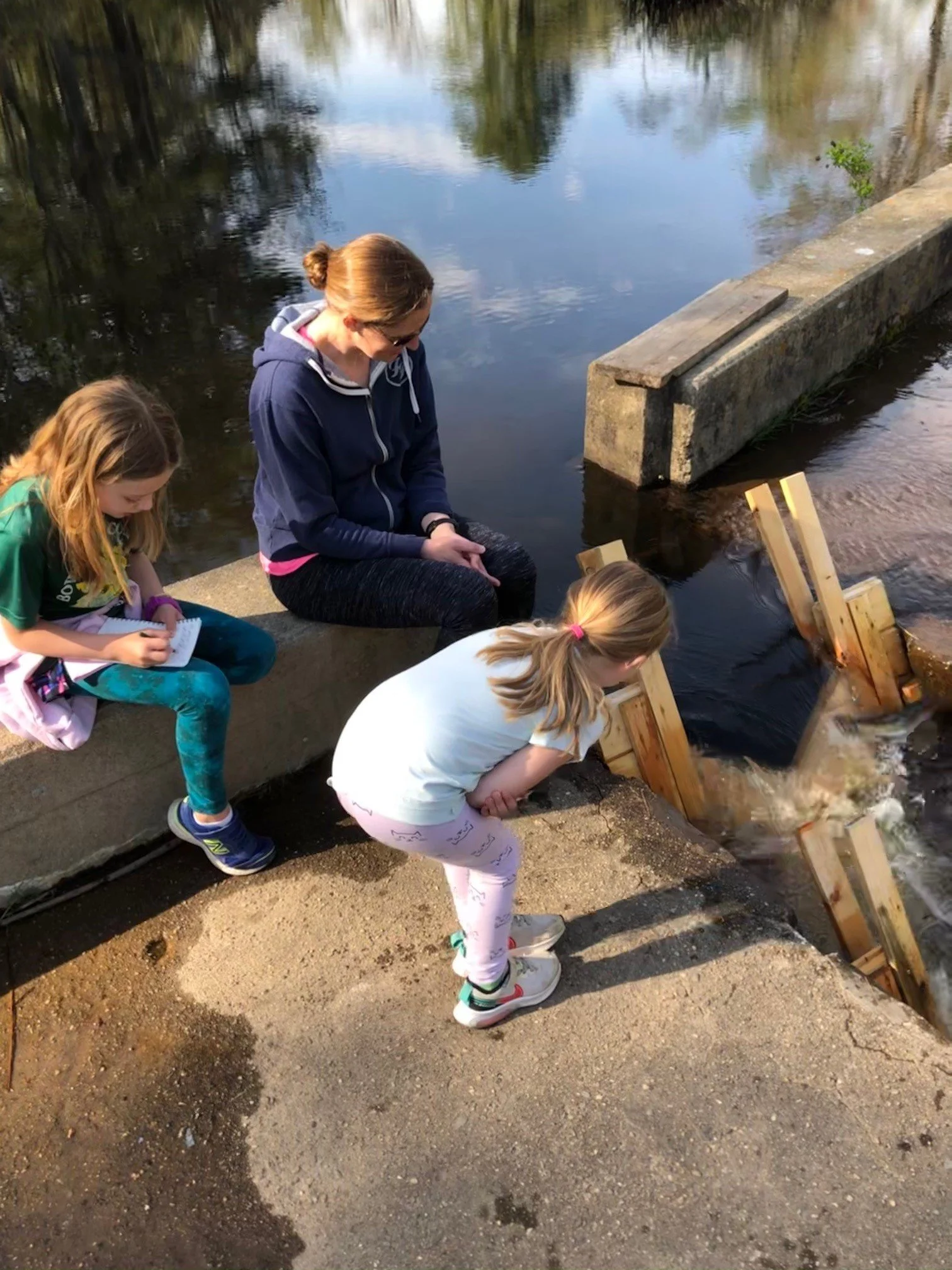
Every spring, the alewives migrate to Nequasset Lake to spawn.  Volunteers help us to count the fish that reach the lake each year.  Volunteering takes two hours or less, and volunteers of all ages are invited to take part in this fun community science project.  You can choose to count once in the season or come back many times.

The Nequasset fish count helps to support Nequasset's alewife population and annual harvest. It can also help to check how well the fish ladder is working. 


Submit Count Data

Submit your count results using this online form or email to rindrick@kennebecestuary.org


Green Crab Monitoring

Green crabs are an invasive species that threaten clam populations, eelgrass beds, and local marshes.  To find out more about these crabs, KELT purchased green crab traps with the help of a grant from the Maine Outdoor Heritage Fund in 2014. Since then, these traps have helped to gather information about crab populations in our region.  KELT used them to work with students at Bath Middle School to trap green crabs and document information about their populations each fall.


What's a Green Crab?

  • Green Crabs have 5 spines on each side of their eyes

  • Their carapace (shell) is roughly pentagon shaped

  • The crabs can be green, brown or red

  • Green crabs rarely grow larger than 3 1/4 inches

  • The size measured is the width of the crab at the widest part of its carapace – from the tip of one spine to the other

  • Females have a rounded “Beehive” shape on underside, while males have a pointed “obelisk” shape


Green Crab Trap Types Used in the Kennebec Estuary

  • Eel Trap

  • Minnow Trap

  • Modified Lobster Trap

  • Shrimp Trap

  • Acer Crab Trap


Green Crab Resources


Bath Middle School Trapping

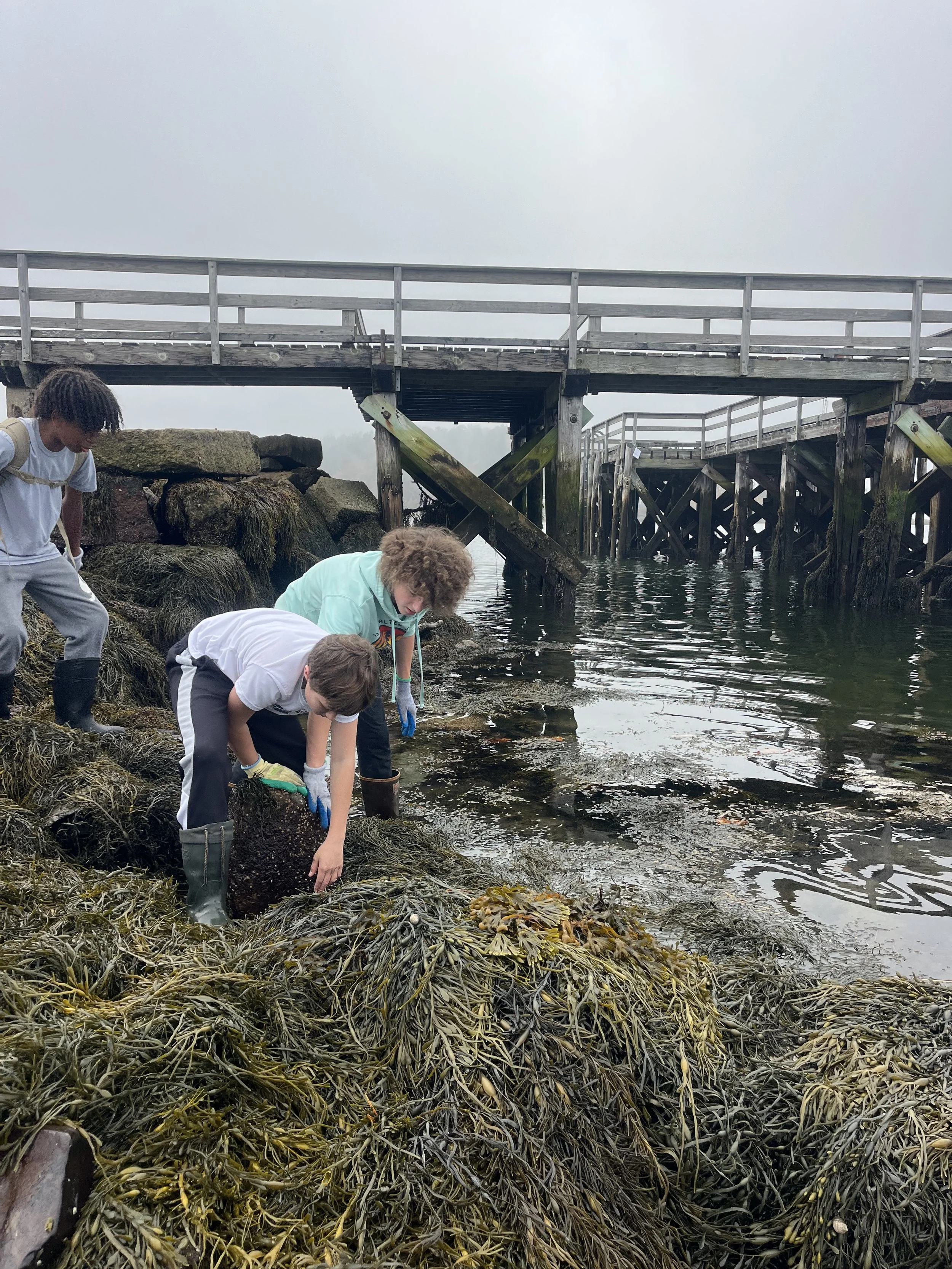
Bath Middle School 7th grade students and teachers spend their fall exploring information about local fisheries.  This exploration includes learning about invasive green crabs and trapping them to find out information about their population and how it changes over time. 

The students carry out a simple population study to try to estimate the number of crabs in the area where they are trapping and find out information about those crabs.  Traps are set for 12 to 24 hours.  When the traps are pulled, students count the number of crabs in each trap and record the size, color, and sex of each crab. To estimate population, they paint a dot of nail polish on the shell of each crab.  The crabs are released, and the traps are set for another 24 hours. When they are hauled, the same information is collected for each crab caught, and the number of crabs with painted shells are recorded. Based on the number of crabs caught on both days and the number of crabs caught on only the 1st or the 2nd day, the students can estimate the total population of crabs in the area.


Thank You To Our Green Crab Project Sponsors!

Maine Outdoor Heritage Fund

The Margaret E. Burnham Charitable Trust


Tracking Phytoplankton


What Plankton Are In the Estuary?

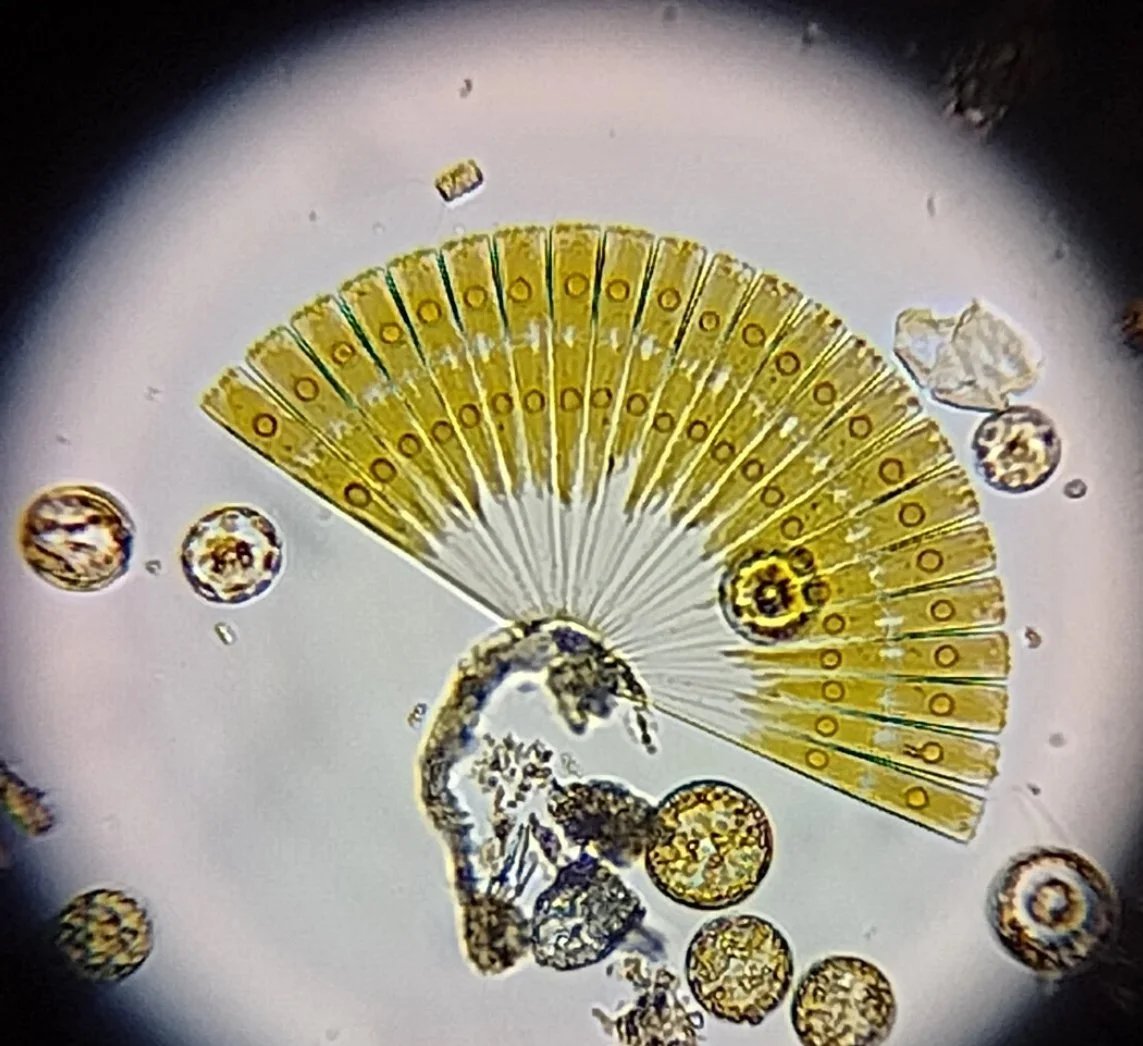
Billions of tiny plankton are floating in the estuary and Gulf of Maine. These microscopic creatures form the foundation of the food web. The populations change throughout the year as water temperatures, currents, and nutrients change.

A few species of these tiny plankton produce toxins that can make people sick if they happen to eat shellfish that have been eating these plankton. To prevent that from happening, the Maine Department of Marine Resources (DMR) has an extensive testing program. One piece of that program is water sampling stations scattered along the coast. Some of these sites are tested by DMR staff, and some are tested by volunteers. KELT coordinates a crew of volunteers who sample one site off of Bay Point Road in Georgetown. The volunteers sample the site every week from May through October and they report the results to the DMR.

When volunteers search through samples for the toxic plankton that the state is concerned about, they also peer through the microscope at the diverse array of phytoplankton and zooplankton that live in our local waters.


Resources for Phytoplankton Volunteers

The Maine DMR has a great collection of phytoplankton id guides and instructions for phytoplankton sampling:

DMR Resources

DMR Phytoplankton Sampling Datasheet (Excel spreadsheet)

Phytoplankton Target Species Datasheets (Excel spreadsheet)

Compiled Images for Phytoplankton Target Species (pdf)


Scotia Test Instruction Video

Check out the video below in case you need a reminder about some of the details for running a Scotia test for PSP or ASP.

Run a PSP test if: you count 1 or more Alexandrium in the sample. (If a positive test was recorded by another Kennebec Estuary volunteer already this year, there is no need to complete another test.)

Run an ASP test if: you count more than 267 and less than 2,000 Pseudo-nitzschia in the sample. Add together both the small PN and large PN to get the total number of Pseudo-nitzschia. (If a positive test was recorded by another Kennebec Estuary volunteer already this year, there is no need to complete another test.)